


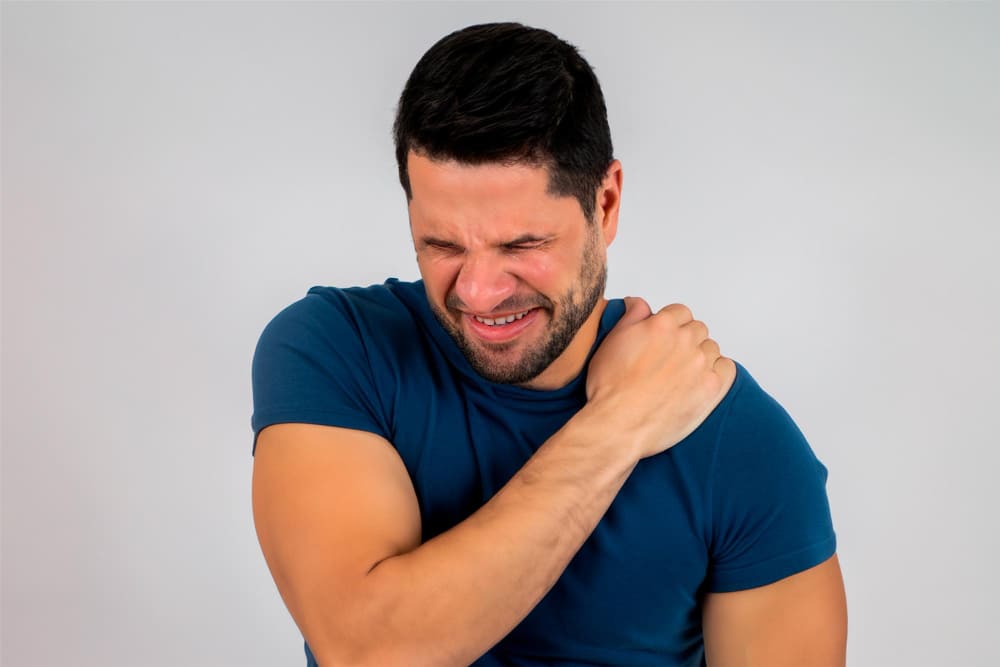

Do you suffer from shoulder pain and swelling that doesn’t get better? Shoulder bursectomy could be the solution. This minimally invasive procedure treats chronic bursitis.
Bursectomy can help you regain mobility and relieve pain. We will explore the anatomy, causes of inflammation, and the surgical procedure.
Shoulder arthroscopy is used to perform a bursectomy. It is a less invasive alternative to traditional open surgery.
Bursectomy can allow you to return to your daily activities without pain. We will guide you from pre-operative preparation to post-operative rehabilitation.
This information will help you make informed decisions about your health. Find out how bursectomy can improve your quality of life.
What is shoulder bursectomy?
Shoulder bursectomy removes the inflamed subacromial bursa . It is performed when nonsurgical treatments do not relieve symptoms of chronic bursitis. The shoulder has a complex anatomy with important structures.
Anatomy of the Shoulder and Bursa
The shoulder is a joint formed by the humerus, scapula, and collarbone. The rotator cuff surrounds the glenohumeral joint allowing the arm to move.
The subacromial bursa is located between the acromion and the rotator cuff tendons. It acts as a shock absorber to reduce friction during shoulder movement.
Causes of Bursa Inflammation
The subacromial bursa can become inflamed for a number of reasons. These include overuse of the shoulder and direct injuries or falls.
- Overuse of the shoulder in repetitive overhead activities
- Direct injuries or falls
- Conditions such as arthritis, rotator cuff tendonitis, or subacromial impingement syndrome
- Rotator cuff tear
Bursitis causes pain, swelling, and stiffness in the shoulder. It also limits range of motion. If symptoms persist, surgery may be necessary.
Indications for bursectomy
Bursectomy is considered when bursitis does not improve with nonsurgical treatments. Persistent symptoms that affect daily life are indications for surgery.
Chronic inflammation can damage the rotator cuff tendons. In these cases, removing the bursa relieves pain and prevents further damage.
| Nonsurgical treatments | Indications for bursectomy |
|---|---|
| Rest | Chronic subacromial bursitis |
| Ice | Persistent symptoms for several months |
| Anti-inflammatory medications | Pain, tenderness, stiffness, and weakness that interfere with daily activities |
| Corticosteroid injections | Risk of rotator cuff tear from chronic inflammation of the bursa |
Shoulder Bursectomy Preparation and Procedure
Shoulder bursectomy relieves pain caused by bursitis. It is a minimally invasive surgery. Knowing the preparation and procedure is essential before having surgery.
Preoperative evaluation
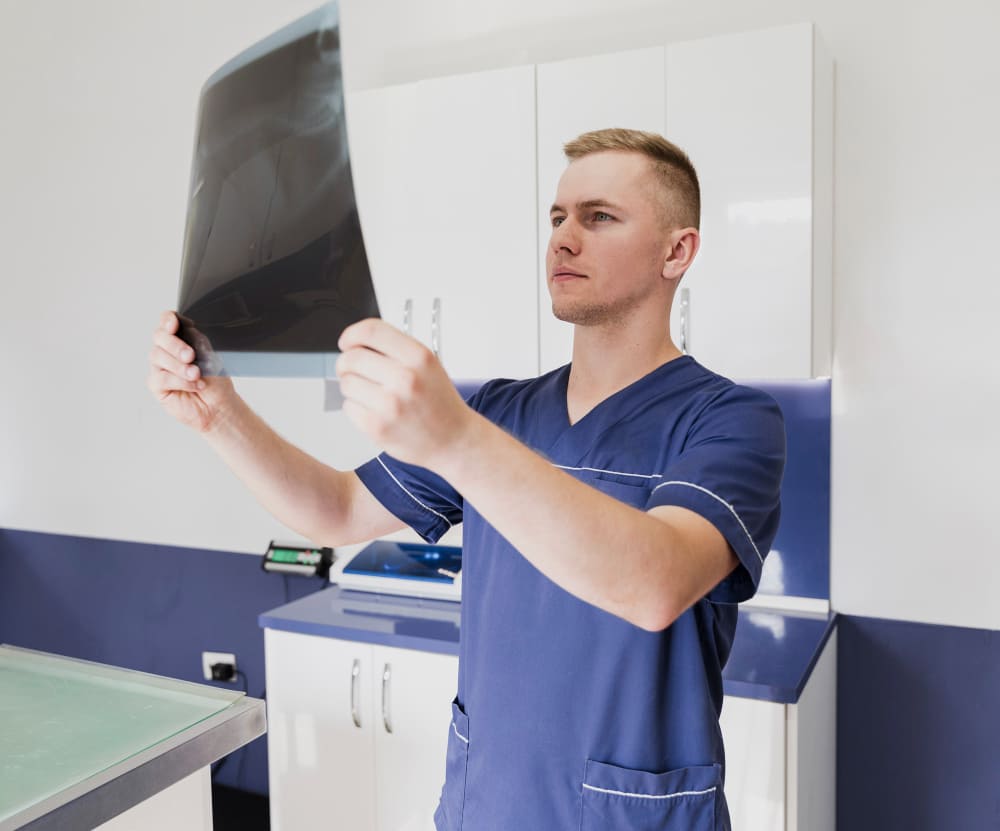
Your orthopedic surgeon evaluates your shoulder before surgery. It examines movement, strength, and painful areas. He or she also orders X-rays to see the bone structure.
In some cases, an MRI is done. This shows the soft tissues in detail. It helps to see inflammation and possible tears of the rotator cuff.
Anesthesia and patient positioning
Bursectomy is performed under general anesthesia for your comfort. There are two possible positions: beach chair or lateral recumbency. In a beach chair, you sit with your arm free.
In lateral recumbency, you lie on your healthy side. The affected arm is suspended. Both positions allow the surgeon to easily access the shoulder.
Arthroscopic surgical technique
The surgeon makes small incisions and inserts an arthroscope. This slim camera connects to a monitor. Use special instruments to remove the inflamed bursa.
Using scissors and a motorized device, carefully remove the bursa. If there are bone spurs or tears, treat them as well. At the end, close the incisions and apply a bandage.
| Type of procedure | Advantages | Disadvantages |
|---|---|---|
| Arthroscopic bursectomy |
|
|
| Open bursectomy |
|
|
Immediate post-operative care
After surgery, your shoulder is immobilized in a sling. You are given medication for pain and to prevent infection. Keep the bandage dry and follow the instructions on the sling.
Generally, you can go home the same day or the next. You will receive instructions on care and rehabilitation exercises.
Recovery and Rehabilitation After Shoulder Bursectomy
Recovery after a shoulder bursectomy is crucial to success. This process takes between four and six months. Factors such as the type of surgery and adherence to physical therapy influence the duration.
The first three weeks are dedicated to biological healing. Then, three weeks of partial immobilization follow. From the sixth week, it is vital to recover lost mobility.
Supervised physiotherapy is essential in this process. Start with passive and active-assisted exercises to prevent stiffness. Then, move on to active movements and muscle strengthening .
Rehabilitation of subacromial bursitis is a long process. It requires patience and perseverance. A gradual approach to achieving recovery goals is advised.
It is important to avoid setting short-term expectations. To prevent relapses, avoid overloading the shoulder tendons after rehabilitation.