


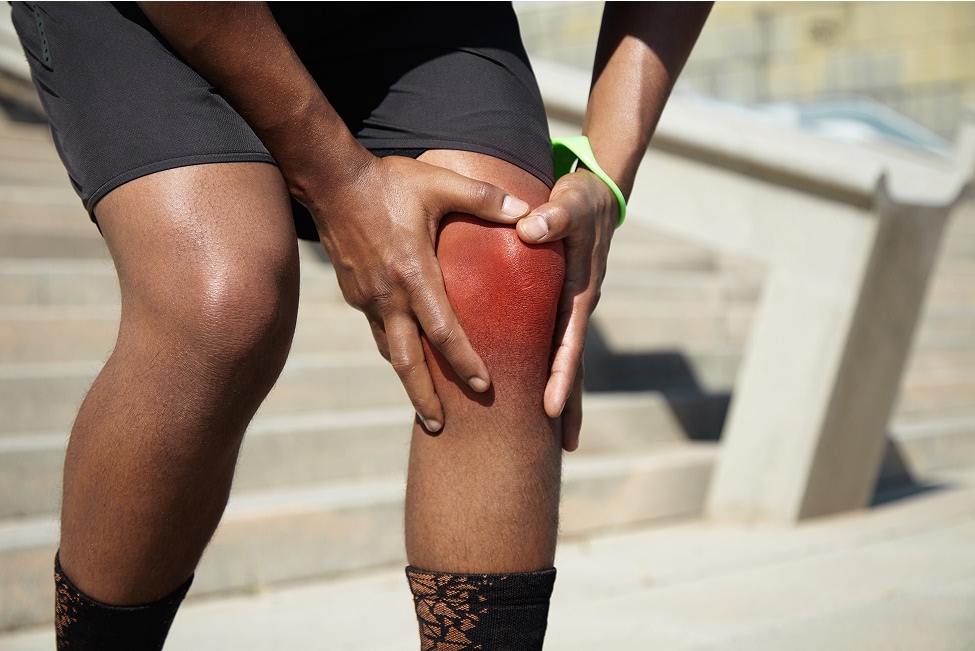

Knees are complex joints that deserve our utmost attention. Every move, every jump, every step depends on your health and stability.
Knowing Our Knee: More Than Just a Joint
The knee is not just a point of attachment between the thigh and the leg. It is an intricate system of bones, ligaments, and muscles that work in perfect synchrony.
Basic Anatomy: A Miracle of Body Engineering
Imagine the knee as a biomechanical masterpiece. Made up of the femur, tibia and patella, this joint supports tremendous loads during our daily activities. The ligaments and menisci act as natural shock absorbers, absorbing shock and providing stability.
Risk Factors: Identifying Weak Points
Some elements increase our vulnerability to injury:
- Elderly
- History of previous injuries
- Practice of high-impact sports
- Muscle imbalances
According to the American Journal of Sports Medicine, women are at increased risk of anterior cruciate ligament injuries due to biomechanical and hormonal differences.
Weight: a determining factor
Each extra kilogram increases the pressure on the knees. Maintaining a healthy weight not only improves your appearance, but significantly reduces joint wear and tear.

Warm-up: your protective shield
Joint Mobility: The First Step
Mobility exercises prepare your joints for physical activity. Smooth ankle rotations, pendulum leg movements and controlled push-ups improve circulation and flexibility.
Specific Routines for Athletes
Effective warm-up requires:
- Knee Raises
- Heel-buttock movements
- Lateral movements
The ideal duration is between 10 and 15 minutes, gradually increasing the intensity.
Muscle Strengthening: Building Stability
Quadriceps: The Guardians of the Knee
Exercises such as controlled squats, leg extensions, and step-ups develop the necessary muscle strength. Research published in the Journal of Athletic Training demonstrates that eccentric strengthening significantly reduces injuries.
Support Muscles: A Complete Team
It’s not just the quadriceps that matter. The hip, gluteal and core muscles contribute to stability. Hip abduction exercises and side walks are essential.

Correct Techniques: Preventing Injuries
Postures and Movements
Always maintain:
- Correct knee-to-foot alignment
- Execution speed control
- Avoid excessive internal rotations
Low-Impact Exercises
Swimming, cycling and elliptical offer conditioning without overloading the knees.
Special Care
Footwear: Your Best Ally
The right athletic shoes provide:
- Support
- Cushioning
- Stability
Training Surfaces
According to Sports Health studies, soft surfaces reduce impact but can increase instability.
Rest and Recovery
Alternating days of intense training with active recovery optimizes muscle adaptation.
Frequently asked questions
It is recommended 2-3 times per week, allowing recovery days between sessions.
Consult a professional. Rehabilitation exercises can help, but a prior diagnosis is crucial.


